Buying Guides
There's something satisfying about a hot meal at the end of a long hike, and the stove you bring decides how easy that meal is. Over the years I've cooked on canister stoves, alcohol stoves, and little wood-burning rocket stoves, and each one has a personality. None is best at everything. The trick is matching the stove to the trip.
Here's a breakdown of the three main types, with the honest trade-offs I've run into on real trips.
Canister stoves are the most popular for good reason. They screw onto a pressurized gas canister, light with a push of a button, and simmer reasonably well. They're fast, clean, and easy to use in the morning when you're half awake. The downsides are the canisters themselves, which are bulky to pack out and perform poorly in cold weather. Below freezing, the pressure drops and the flame weakens, which is frustrating when you just want coffee. You can work around it by keeping the canister in your sleeping bag overnight or using a stove with a remote canister and a preheat tube, but it's extra fuss.
Alcohol stoves are the ultralight favorite. They're often homemade from cat food cans, weigh almost nothing, and run on denatured alcohol or HEET. They're silent, which is lovely in the backcountry, and fuel is cheap. The catch is speed: they're slow to boil, sensitive to wind, and you can't easily adjust the flame. They also don't work well for anything beyond boiling water. If your meals are all freeze-dried and you don't mind waiting, an alcohol stove is a joy. If you want to actually cook, look elsewhere.
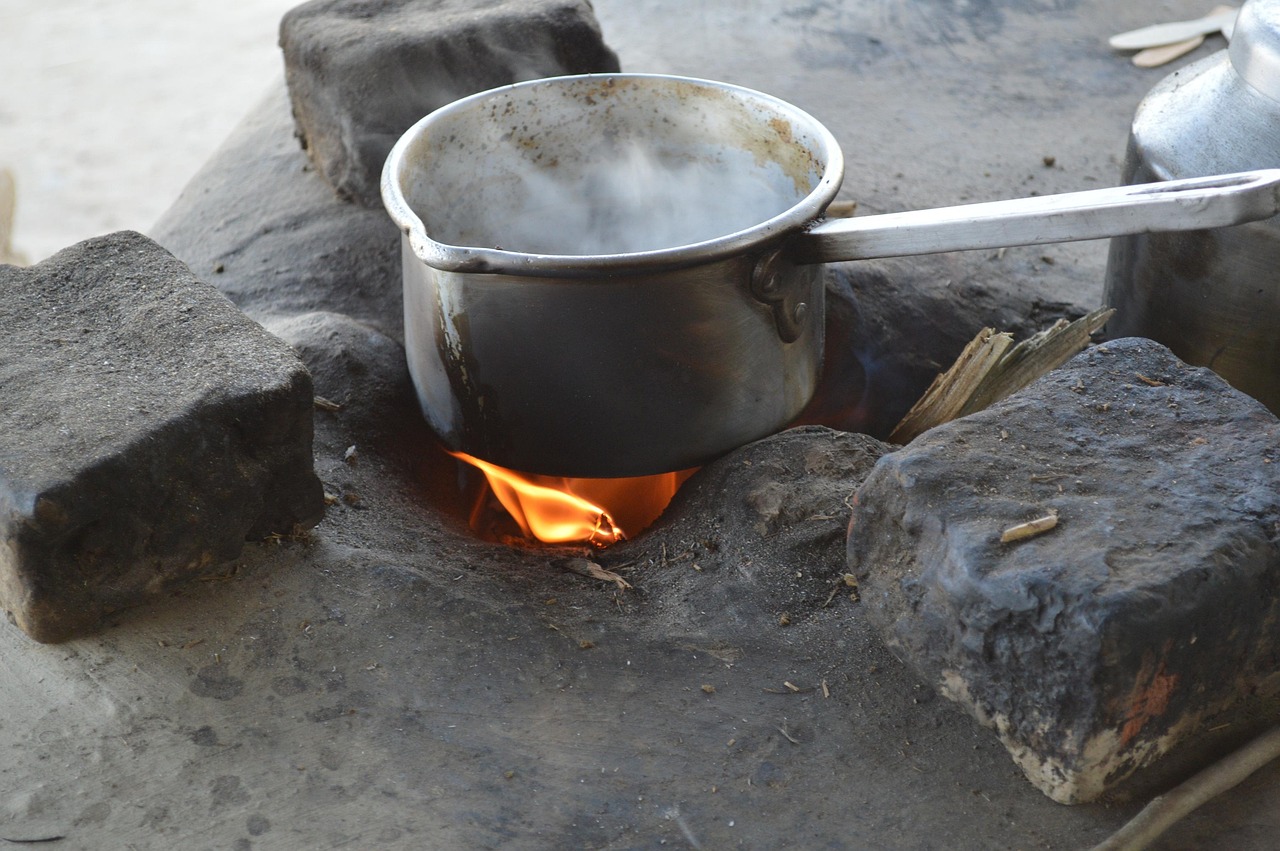
Wood-burning stoves are the wild card. They burn twigs and pinecones, so you never carry fuel, and there's a primal satisfaction in cooking over a tiny fire. They're great for trips where weight isn't critical and you don't mind gathering wood. But they're messy, they leave soot on your pot, they're banned in many areas during fire restrictions, and they take real effort to keep going. I bring mine on casual car-camping trips, not on long hikes.
For most three-season backpacking, a small canister stove is the practical choice. It's fast, reliable, and light enough that you won't notice it. Pair it with a wide pot and a windscreen, and you can boil water for two people in a few minutes. If you hike in winter, consider a liquid fuel stove instead, since white gas handles cold far better than canisters, even though the stove itself is heavier and requires priming.
For solo trips where every ounce counts, an alcohol stove plus a simple pot can bring your cook kit under a few ounces. Just accept that dinner takes longer and wind is your enemy. Build a foil windscreen and pick a sheltered spot.
For group trips or base camps where you're not carrying everything on your back, a wood-burning stove or even a small two-burner propane stove makes cooking actual meals possible. Sometimes the luxury is worth the weight.
Whatever you choose, practice with it at home before you rely on it in the field. Learn how it lights, how it simmers, and how much fuel a typical trip uses. A stove you understand is worth more than one with better specs.
