Apparel
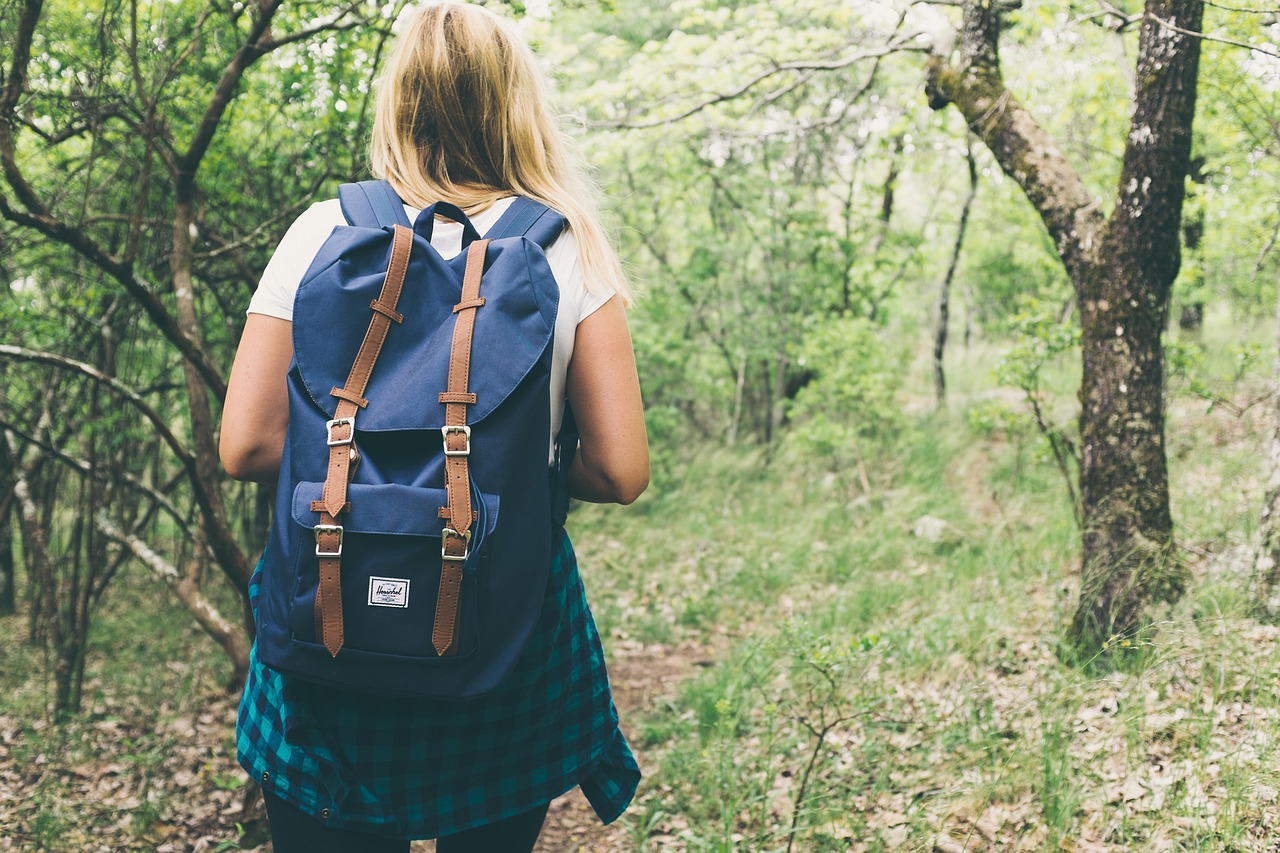
A backpack is the one piece of gear you wear for every step of a hike, so a bad fit will ruin a trip faster than almost anything else. Yet many people buy a pack based on color, brand, or a sale price without ever measuring their torso. The result is shoulder pain, hip bruises, and a pack that sways with every step. Here's how to avoid that.
First, understand that pack sizes are not about your height. They're about torso length, the distance from the bony bump at the base of your neck to the top of your hip bones. Two people the same height can need different pack sizes. Measure at home with a friend and a flexible tape, or get measured at a shop. Most packs come in a few torso sizes and often have an adjustable harness, which gives you some wiggle room.
Volume is measured in liters and should match the length and style of your trips. A day pack usually runs twenty to thirty liters, enough for water, food, a shell, and a first-aid kit. Overnight and weekend trips generally call for forty to fifty-five liters, while multi-day backpacking with a tent and food often needs sixty liters or more. Buy for the trips you actually take, not the expedition you're dreaming about; an oversized pack that isn't full carries poorly and tempts you to bring too much.
Suspension matters as much as volume. A frame and padded hipbelt transfer most of the load to your hips, which is where weight belongs. Thin, frameless packs are light but only comfortable with very light loads. Look for a hipbelt that wraps your iliac crest, the top of your hip bones, and can be tightened snugly without digging in. Shoulder straps should curve over your shoulders and anchor the pack without carrying the full weight.
When you try a pack on, load it with ten to fifteen pounds of gear or sandbags, not air. Loosen everything, put it on, and tighten the hipbelt first, then the shoulder straps, then the load-lifter straps that pull the pack close to your back. The pack should sit high enough that the hipbelt rests on your hips, not your waist, and the bottom should not sag below your lower back. Walk around, bend over, and shake your head to see if it moves. A little sway is fine; a lot means it's not dialed in.
Features worth considering include a ventilated back panel if you run hot, hipbelt pockets for snacks and your phone, a hydration sleeve, and durable fabric like ripstop nylon or recycled polyester. Pockets and access points are personal preference, so think about how you pack. Once you find a pack that fits, treat it well: empty it after trips, wipe it down, and store it loosely. A well-fitted pack can last many seasons, and your shoulders will thank you every mile.
