Gear Reviews
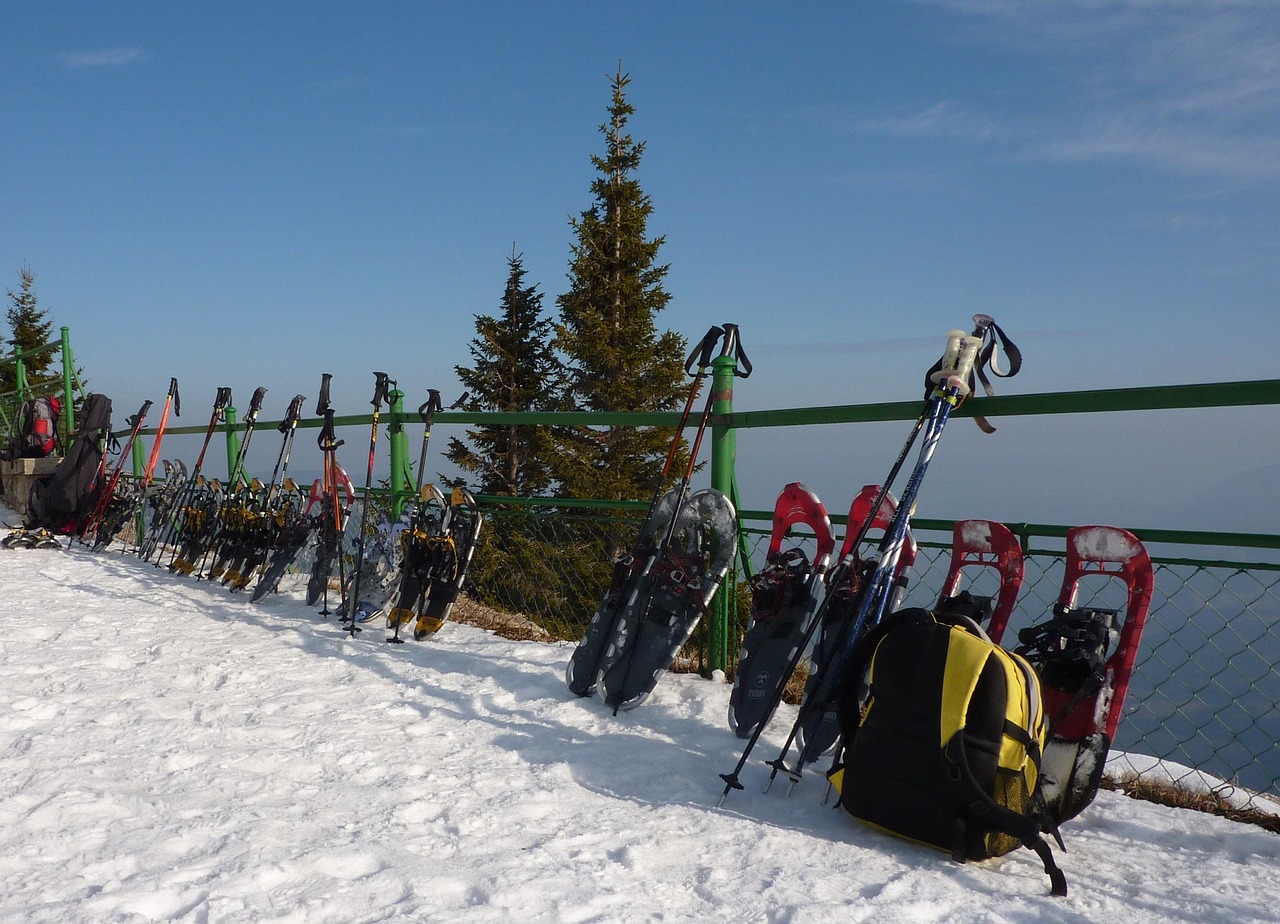
For years I hiked without trekking poles, mostly out of stubbornness. Then I did a fourteen-mile day with 4,000 feet of descent and my knees filed a formal complaint. Since then, poles have become one of the few pieces of gear I almost never leave behind. But I've also learned that they're not universally loved, and the decision to use them depends a lot on your terrain, your joints, and how you feel about having your hands occupied all day.
If you're on the fence, here's what I've learned from a few thousand miles of trial and error, along with the honest downsides nobody mentions.
The biggest benefit is on descents. When you plant a pole and step down, you're distributing some of the impact force through your arms instead of loading everything onto your knees and quads. On long downhill stretches, that difference adds up. I notice it most on the second day of a backpacking trip, when my legs are already tired and the trail keeps dropping.
On climbs, poles help with rhythm more than anything. They give your upper body something to do and can help you push up steep steps, especially when you're carrying a heavier pack. On uneven ground, that extra point of contact improves your balance, which matters when you're crossing a rocky slope or a stream with slippery rocks.
There's also a less obvious benefit: poles help with pacing. When I use them, I tend to take shorter, more consistent steps instead of lunging forward and burning out early. That alone can make a long day feel less brutal.
The downsides are real, though. Poles take up your hands, which is annoying if you like to scramble, take photos, or snack while walking. They add a little weight and a little fuss. And on gentle, smooth trails, they mostly just get in the way. If your route is flat and well-maintained, you can leave them at home without guilt.
Most poles fall into two camps: aluminum and carbon fiber. Aluminum is heavier but more forgiving if you bend one; you can often bend it back. Carbon is lighter and stiffer but can snap under a hard impact, which is a bad surprise deep in the backcountry. For most hikers, aluminum is the safer bet, especially if you're hard on gear.
Locking mechanisms matter more than people think. Twist locks can slip in cold, wet conditions, while flip locks are easier to adjust with gloves on. I prefer flip locks for that reason alone. Cork grips handle sweat better than foam in hot weather, but foam is lighter and fine for cooler climates.
When you use them, keep the length so your elbow is at roughly a 90-degree angle when the tip is on the ground. On steep climbs, shorten them a few centimeters; on descents, lengthen them. Use the straps correctly, with your hand coming up through the loop from below, so the strap supports your wrist rather than your grip doing all the work.
Finally, consider whether you actually need two. One pole can help with balance and one sore knee, but two give you the full benefit on descents and a more natural rhythm. If you're unsure, borrow a pair for a long hike and see how your body feels the next day. That test tells you more than any review ever will.
